
Non-Invasive Glucose Monitor
Pain-Free Daily Monitoring
$59.99
$29.97
⏰ 00:00:00
| 🔥 Stock: 18
Buy Now
Spend $50 more to get FREE shipping!

For decades, people with diabetes and other conditions requiring regular blood glucose monitoring have relied on finger-prick tests. While accurate, the method can be inconvenient and uncomfortable for daily use, prompting researchers to explore alternatives.
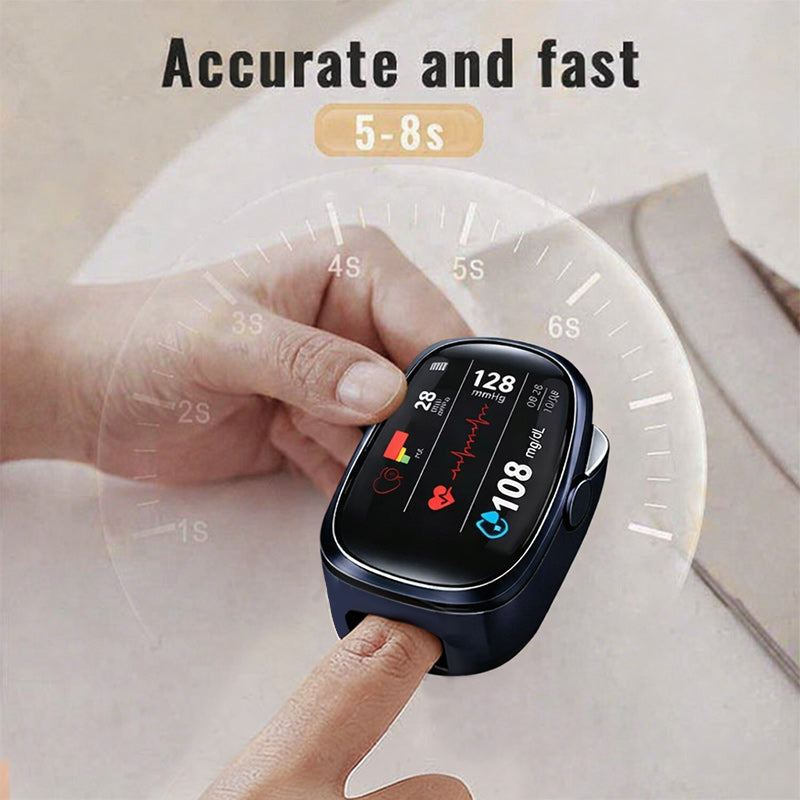
Several U.S. medical institutions, including Johns Hopkins Hospital, Massachusetts General Hospital, and the University of California San Francisco, have been conducting studies into less invasive glucose monitoring techniques.
Researchers are investigating ways to integrate biosensors, signal processing systems, and wireless data transmission into compact devices suitable for home use.

New technologies aim to reduce or eliminate blood sampling using optical sensors and algorithms, often integrated with smartphones or wearable devices.
Feedback suggests convenience plays a major role in adoption, with some users reporting more consistent tracking.
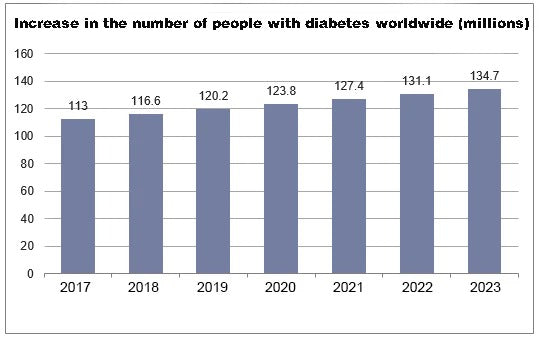
Interest has grown alongside wearable health devices and digital health tracking trends.
The industry is shifting toward accessibility, ease of use, and integration into daily life.
Experts recommend staying informed and consulting professionals before adopting new monitoring technologies.
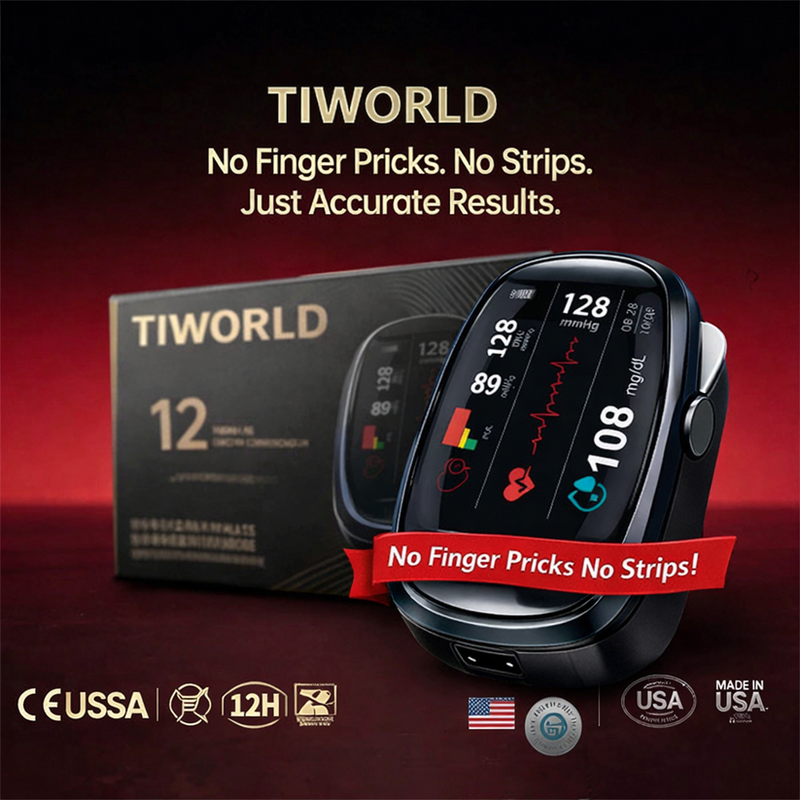
Pain-Free Daily Monitoring